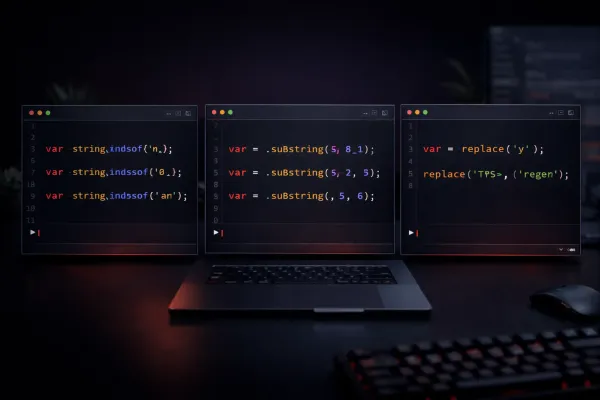
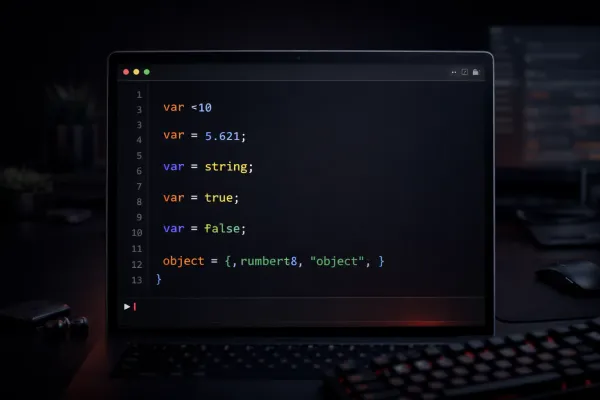
Programming JavaScript String Methods This post covers essential JavaScript string methods including length, indexOf, substring, case conversion, replace, split, and trim. It provides practical examples showing how to search, extract, and transform text data in JavaScript applications.
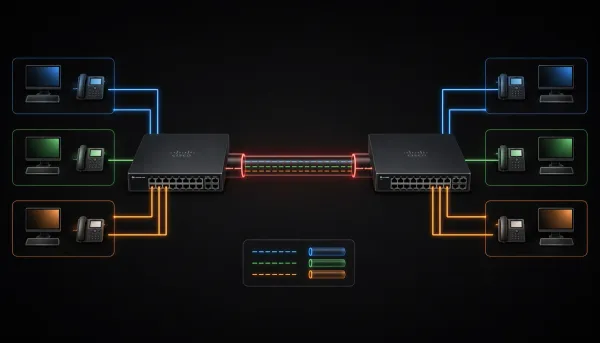
CCNA What Are Trunk Ports and Why Are They Important? Trunk ports are switch ports that carry traffic for multiple VLANs simultaneously using VLAN tagging. They're essential for efficient network design, allowing multiple VLANs to communicate across switches through a single physical connection rather than requiring separate cables for each VLAN.
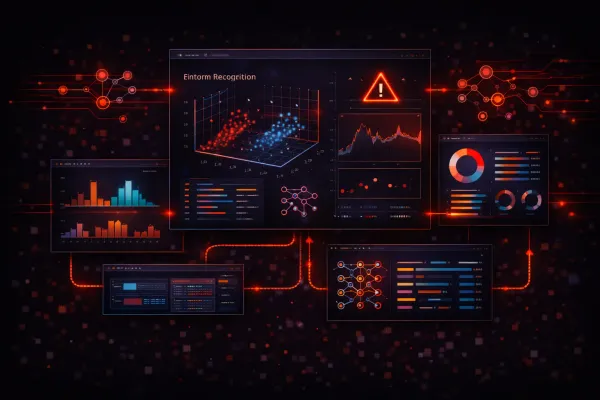
AITECH Using AI for Pattern Recognition in Data Analysis AI pattern recognition transforms data analysis by automatically identifying hidden patterns, trends, and anomalies in datasets. This guide covers core algorithms like clustering and neural networks, practical applications including anomaly detection, and getting started with cloud-based AI service
CCST-Cybersecurity How to Scan Your Computer for Malware: A Beginner's Guide A comprehensive beginner's guide covering how to scan computers for malware using built-in Windows tools and third-party scanners, with step-by-step instructions for detection and safe remediation practices.
AI Tools Enhancing Technical Research with Perplexity AI This post explores how IT professionals can enhance their technical research using Perplexity AI's unique combination of real-time search and AI analysis. It covers practical techniques, advanced strategies, and best practices for getting accurate, current technical information.
CCST-Networking What is Remote Access in Networking? Remote access in networking allows you to control computers and network devices from anywhere using protocols like SSH, RDP, and telnet. This guide explains each method's purpose, security considerations, and practical applications for network management.
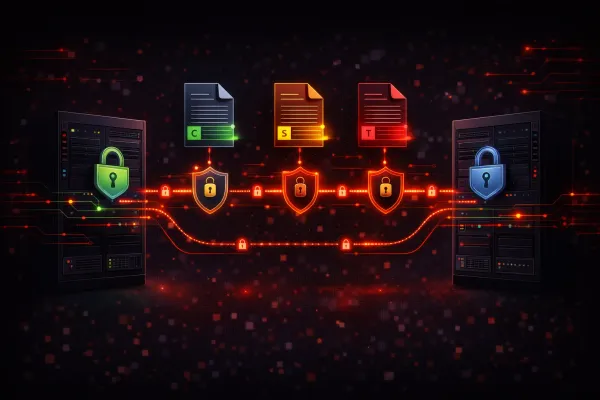
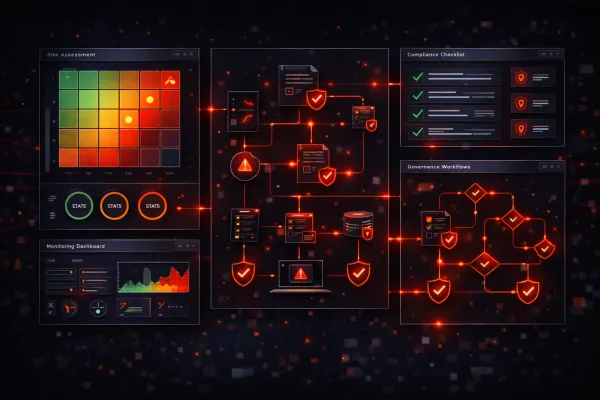
Security+ Data Asset Management: Protecting Sensitive Information Data asset management involves systematically identifying, classifying, protecting, and controlling access to sensitive information. This includes implementing data classification schemes, appropriate storage and encryption strategies, role-based access controls, and lifecycle management policies.
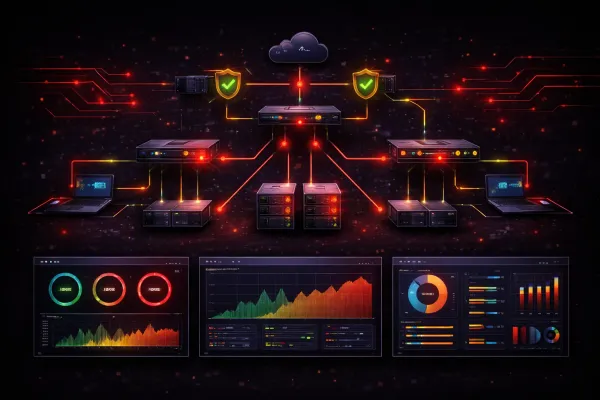
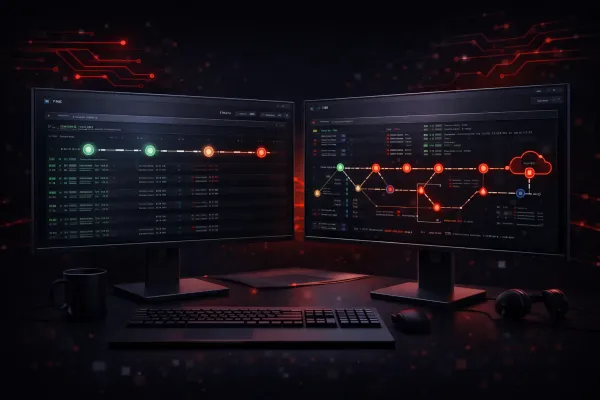
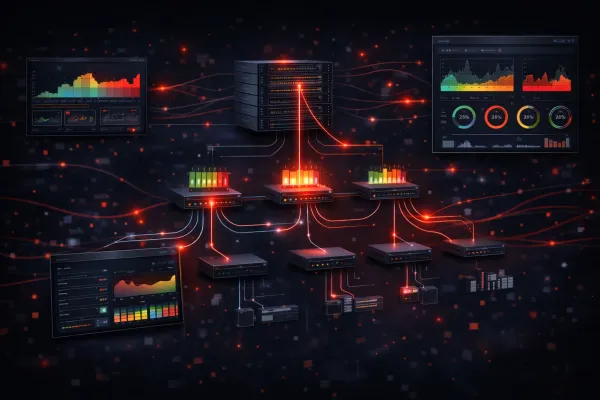
Network+ What is Network Monitoring and Why is it Important? Network monitoring is the continuous process of watching network infrastructure to ensure optimal performance and prevent issues. This post explains what network monitoring involves, why it's essential for network operations, and introduces common monitoring tools and key metrics.
Programming Working with Strings in JavaScript Learn the fundamentals of working with strings in JavaScript, including creation, manipulation, and practical examples. Covers essential string methods, substring extraction, and common real-world patterns for text processing.
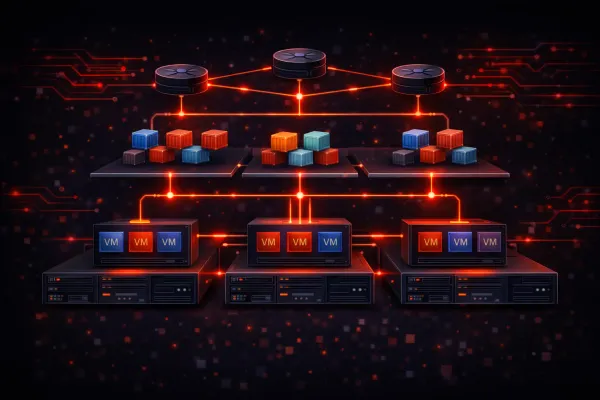
CCNA Virtualization in Networking: How Server Virtualization, Containers, and VRFs Work Together This post explains how server virtualization, containers, and VRFs work together in network environments, creating integrated virtualization solutions that maximize efficiency while maintaining security and isolation across different layers of the network infrastructure.
AITECH How AI Enhances Exploratory Data Analysis AI tools revolutionize exploratory data analysis by automating pattern recognition, anomaly detection, and data summarization, making complex data insights accessible to analysts at all skill levels. These tools reduce manual effort while uncovering patterns that traditional methods might miss.
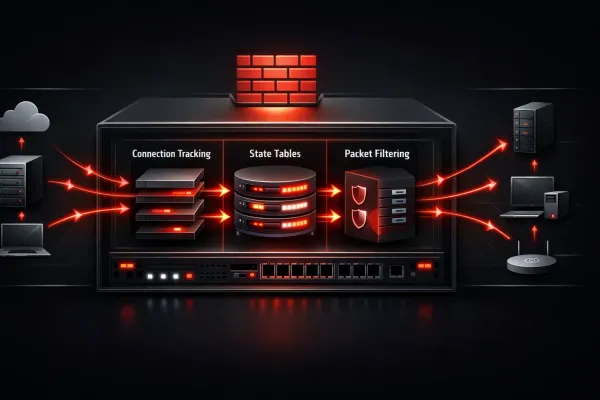
Wildcard Inside a Firewall: Stateful vs Next-Gen in Plain English This post explains how firewalls actually work internally, covering stateful connection tracking, state tables, NAT integration, and how next-generation firewalls add application awareness and user-based policies.
Linux Fundamentals Opening and Using the Linux Terminal Learn how to open and use the Linux terminal, including navigation basics, keyboard shortcuts, and essential commands. This beginner-friendly guide covers the terminal interface, basic commands like pwd, ls, and cd, plus important safety tips.
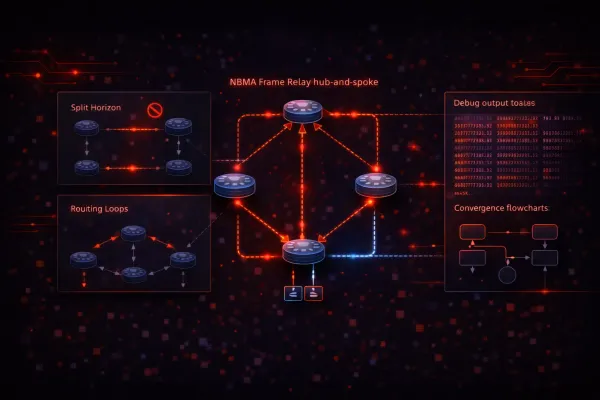
CCNP-ENARSI Split-Horizon: Troubleshooting Common Issues Master troubleshooting split horizon failures in production networks, covering NBMA topology issues, EIGRP edge cases, and redistribution-induced violations. Includes practical diagnostic commands and systematic resolution approaches.
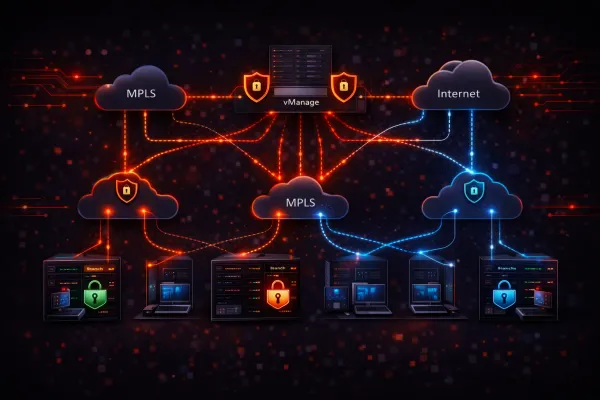
CCNP-ENCOR Benefits and Limitations of Cisco Catalyst SD-WAN Comprehensive analysis of Cisco Catalyst SD-WAN benefits including centralized management and intelligent path selection, balanced against limitations like vendor lock-in, implementation complexity, and internet dependency challenges.
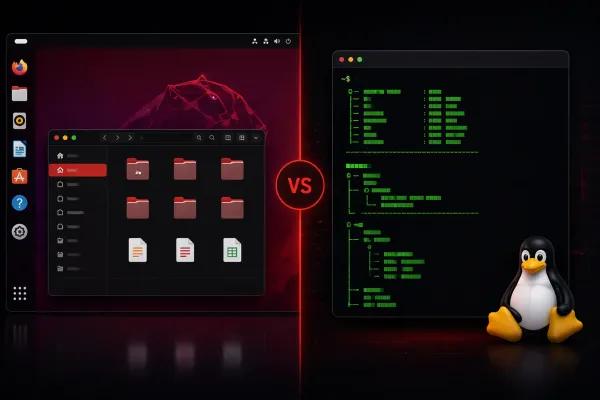
Linux Fundamentals Understanding the Linux Desktop vs the Terminal Learn the fundamental differences between Linux's graphical desktop environment and the terminal command line interface. Understand when to use each approach and how they complement each other in daily Linux usage.
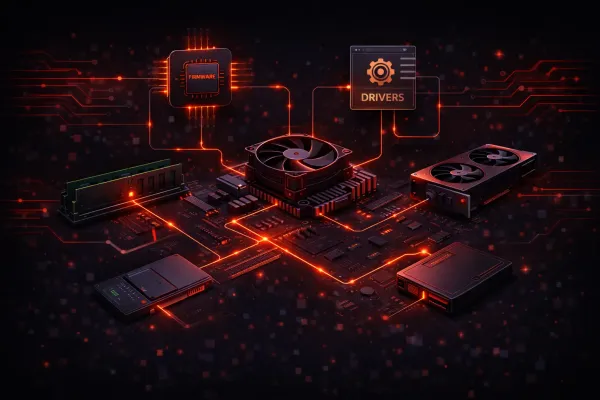
CCST-Cybersecurity Understanding Device Drivers and Firmware Updates Device drivers and firmware are critical software components that enable hardware functionality and system security. This post explains their roles, security implications, and why regular updates are essential for maintaining device performance and protecting against cyber threats.
CCST-Networking How to Use Ping and Traceroute for Network Diagnostics This post explains how to use ping and traceroute commands for network diagnostics, providing step-by-step instructions for checking connectivity and identifying where network problems occur along the path to a destination.
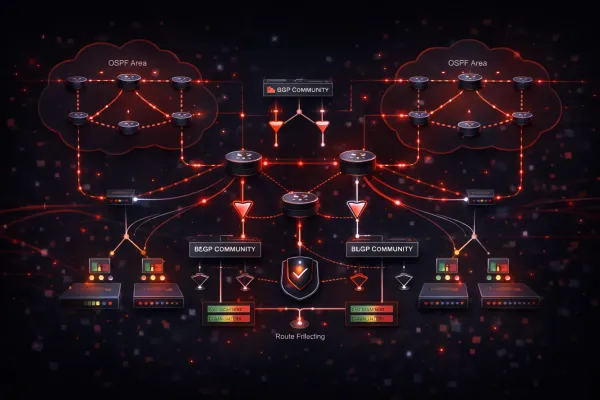
CCNP-ENARSI Tagging and Filtering Techniques with Route Maps Advanced route map techniques for tagging and filtering routes in enterprise networks. Covers BGP communities, strategic tagging for routing efficiency, troubleshooting methodologies, and performance optimization strategies.
CCNP-ENCOR How to Troubleshoot QoS Issues in Enterprise Networks A comprehensive guide to troubleshooting QoS issues in enterprise networks, covering systematic diagnosis approaches, common implementation gaps, and advanced diagnostic techniques for identifying and resolving QoS-related problems.
Programming JavaScript Data Types Explained JavaScript has seven primitive data types (number, string, boolean, undefined, null, symbol, bigint) and non-primitive objects. Understanding these types is crucial since JavaScript is dynamically typed, allowing variables to change types during execution.
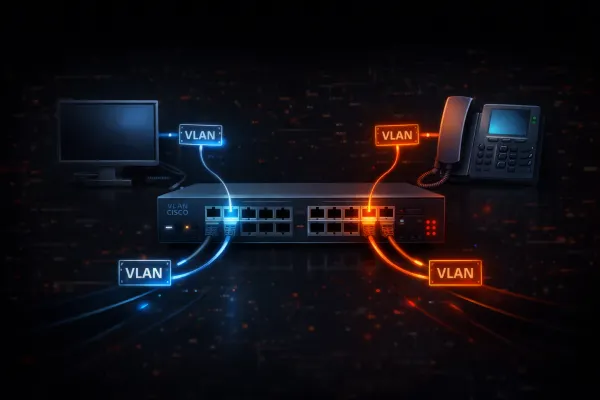
CCNA Understanding Access Ports for Data and Voice Access ports are fundamental switch connections that assign devices to a single VLAN. They handle both standard data connections and special voice configurations where IP phones require separate VLANs for voice and data traffic.
AITECH Navigating Regulatory Compliance in AI This post explores the evolving regulatory landscape for AI technologies, covering risk-based compliance frameworks like the EU AI Act and providing practical strategies for IT professionals to ensure legal and ethical AI deployment.
Linux+ Introduction to Linux Device Management Tools Learn essential Linux device management tools including dmesg for kernel messages, dmidecode for hardware information, and ipmitool for IPMI management. Perfect for beginners mastering hardware troubleshooting and system administration.
CCNA Automation What is Git and Why You Need It for Version Control Introduction to Git version control system, explaining its importance for network automation beginners. Covers basic concepts, essential commands, and why Git is crucial for managing automation scripts and configuration files.