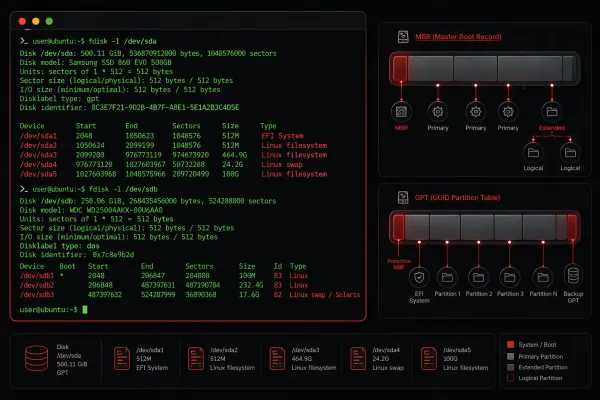
Linux+ Partitioning in Linux: Tools and Techniques Learn essential Linux partitioning tools including blkid for partition discovery, fdisk for MBR tables, gdisk for GPT schemes, and growpart for dynamic expansion. Master the fundamentals of disk management in Linux systems.
Linux+ Introduction to Linux Device Management Tools Learn essential Linux device management tools including dmesg for kernel messages, dmidecode for hardware information, and ipmitool for IPMI management. Perfect for beginners mastering hardware troubleshooting and system administration.
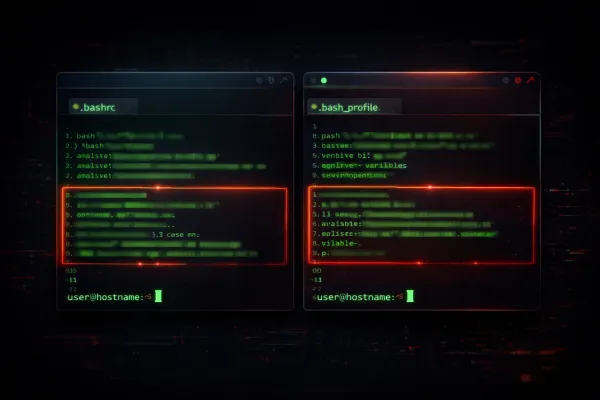
Linux+ Configuring Your Shell Environment in Linux Learn how to customize your Linux shell environment using .bashrc and .bash_profile configuration files. This guide covers environment variables, aliases, and practical customizations for improved productivity.
Linux+ Mastering Paths in Linux: Absolute vs Relative Learn the fundamental difference between absolute and relative paths in Linux file system navigation. This guide covers practical examples and when to use each type for effective system management.
Linux+ Understanding Common Environmental Variables in Linux Environmental variables like PATH, HOME, SHELL, PS1, and DISPLAY control how Linux systems and applications behave. This guide explains what each variable does and how to manage them effectively.
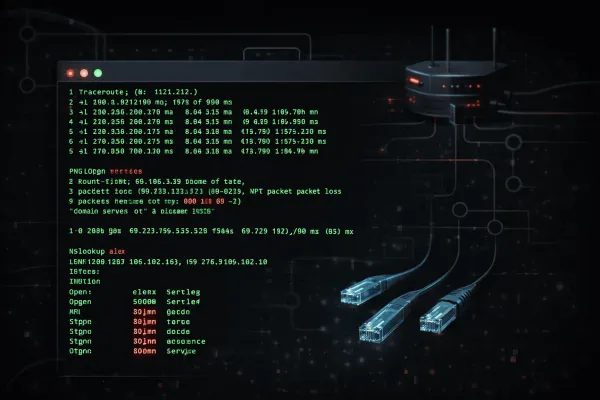
Linux+ Essential Linux Network Tools: A Beginner's Guide A comprehensive guide to essential Linux network tools including ping, traceroute, tcpdump, arp, dig, curl, and ip. Learn practical commands and real-world usage for network troubleshooting and diagnostics.
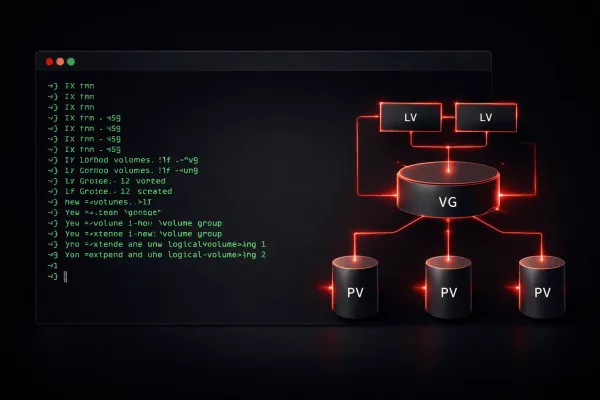
Linux+ How to Create and Manage LVM in Linux A comprehensive guide to creating and managing LVM in Linux, covering the step-by-step process of using pvcreate, vgcreate, and lvcreate commands to set up flexible storage solutions. Includes practical examples and essential management commands for Linux storage administration.
Linux+ Troubleshooting Common Kernel Module Issues A practical guide to identifying and resolving common Linux kernel module problems, covering error messages, systematic troubleshooting steps, and prevention strategies for stable system operation.
Linux+ How to Configure Networks Using NetworkManager and Netplan Learn how to configure Linux networks using NetworkManager's nmcli command and Netplan's YAML-based configuration system. Covers both wired and wireless network setup with practical examples.
Linux+ Understanding Linux Network Configuration Files Essential guide to Linux network configuration files including /etc/hosts for local name resolution, /etc/resolv.conf for DNS configuration, and /etc/nsswitch.conf for controlling resolution order. Includes practical examples and testing commands.
Linux+ Understanding Logical Volume Manager (LVM) in Linux Learn how Logical Volume Manager (LVM) works in Linux through its three-layer architecture of physical volumes, volume groups, and logical volumes. Understand the key commands and advantages of flexible storage management.
Linux+ How to Manage Kernel Modules in Linux A comprehensive beginner's guide to managing Linux kernel modules using essential commands like modprobe, rmmod, modinfo, and depmod. Covers loading, unloading, and troubleshooting kernel modules with practical examples.
Linux+ Understanding Linux Kernel Modules Linux kernel modules are loadable code pieces that extend kernel functionality without rebooting. Key management tools include lsmod (view loaded modules), modprobe (load/unload with dependencies), insmod (basic loading), and depmod (manage dependencies).
Linux+ Introduction to Managing Storage in Linux This post introduces the fundamental concepts of Linux storage management, covering partitions, filesystems, LVM, and RAID. It explains how these components work together to provide flexible and reliable data storage in Linux systems.
Linux+ Understanding Linux Distributions: RPM vs Dpkg This post compares RPM-based and dpkg-based Linux distributions, explaining their package management differences and helping beginners choose between systems like Red Hat/Fedora versus Debian/Ubuntu. It covers key tools, commands, and decision factors for each approach.
Linux+ Comparing System Management Tools for Linux Beginners A comprehensive comparison of Linux system management tools for beginners, covering command-line utilities, web-based interfaces, and specialized monitoring tools to help new administrators choose the right tools for their needs.
Linux+ Common Mistakes in Linux System Management and How to Avoid Them This post covers the most common Linux system management mistakes beginners make, including file permission errors, dangerous commands, and service management confusion. It provides practical prevention strategies and safer alternatives to risky practices.
Linux+ Understanding the Relationship Between System Management and Security in Linux This post explains the fundamental relationship between Linux system management and security, showing how administrative tasks and security measures are interconnected. It covers key areas like user management, updates, services, and logs where management decisions directly impact security.
Linux+ Choosing the Right Linux Server Architecture A comprehensive comparison of Linux server architectures including x86, x86_64, AArch64, and RISC-V, helping beginners understand the differences and choose the right architecture for their server needs.
Linux+ Linux Filesystem Hierarchy Explained An overview of the Linux Filesystem Hierarchy Standard (FHS), explaining the purpose and contents of essential directories like /bin, /boot, /etc, and others. Essential knowledge for effective Linux file management and system navigation.
Linux+ Understanding the Linux Boot Process This post explains the Linux boot process from power-on through full system initialization. It covers BIOS/UEFI, bootloaders like GRUB, kernel loading, initrd, PXE network booting, and the transition to user space.
Linux+ How to Perform Basic System Management Tasks in Linux Essential guide covering fundamental Linux system administration tasks including user management, process monitoring, and file system maintenance. Perfect for beginners learning Linux administration basics with practical command examples.
Linux+ What is System Management in Linux? System management in Linux encompasses the comprehensive tasks needed to maintain, monitor, and optimize Linux systems. This includes user management, process control, file system maintenance, and network configuration—all essential skills for Linux administrators.