Network+ Common Types of Network Attacks Explained Simply This post explains common network attacks including phishing, malware, DDoS, and social engineering in beginner-friendly terms. It covers attack characteristics and helps readers recognize threats for Network+ exam preparation.
AITECH Comparing AI Workflow Monitoring Tools: Which is Best for You? A comprehensive comparison of AI workflow monitoring tools including MLflow, Weights & Biases, Neptune, and cloud-native solutions. Helps IT professionals choose the right monitoring solution based on team size, infrastructure, and technical requirements.
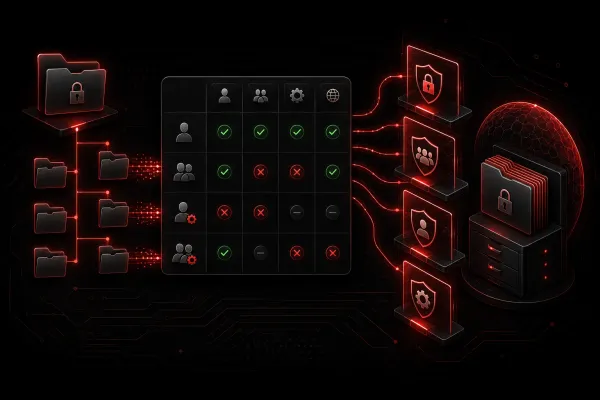
CCST-Cybersecurity File and Directory Permissions: Keeping Your Data Safe File and directory permissions are essential security controls that determine who can access, modify, or execute files on your system. This guide covers Windows ACLs and Linux permission systems, explaining how to implement proper access control for data protection.
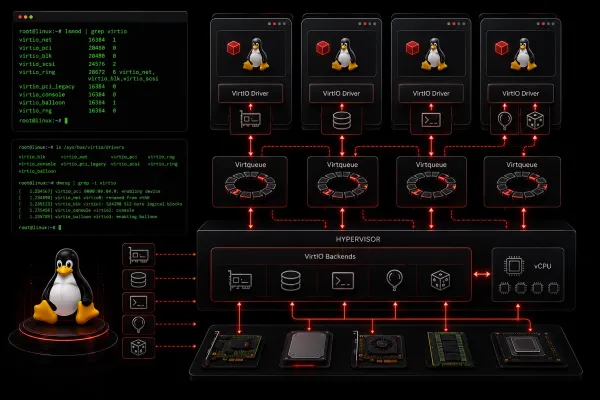
Linux+ How Paravirtualized Drivers and VirtIO Enhance VM Performance Paravirtualized drivers and VirtIO enhance Linux VM performance by enabling direct communication between guest OS and hypervisor, eliminating traditional hardware emulation overhead. This results in significantly improved network throughput, disk I/O, and reduced CPU utilization in virtualized envi
Security+ How Orchestration Enhances Security Operations Security orchestration integrates automated security tasks and tools to create coordinated incident response workflows. It transforms manual, time-consuming security operations into streamlined, automated processes that improve response times and consistency while reducing analyst workload.
CCNA CDP vs LLDP: Understanding the Differences Compares Cisco Discovery Protocol (CDP) and Link Layer Discovery Protocol (LLDP), explaining their key differences, use cases, and when to choose each protocol for network discovery in different environments.
AI Tools Choosing AI Tools: ChatGPT vs Claude vs Gemini A practical comparison of ChatGPT, Claude, and Gemini AI tools for IT professionals, covering each platform's strengths in code generation, documentation, and research applications. Includes real-world use cases and guidance on choosing the right tool for specific IT tasks.
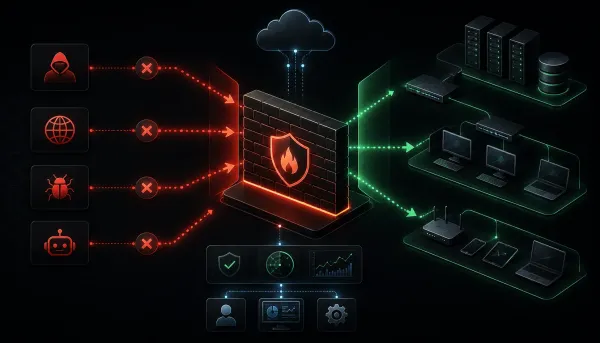
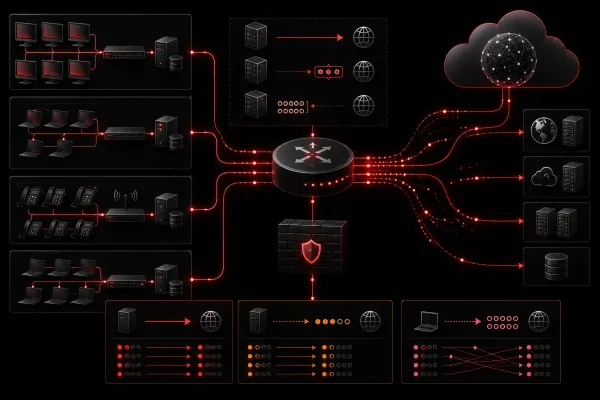
CCST-Networking Common Mistakes When Setting Up Firewalls Learn to avoid the most common firewall setup mistakes that beginners make, including rule ordering errors, overly broad permissions, and forgetting about return traffic. This guide provides practical solutions to ensure your network remains both secure and functional.
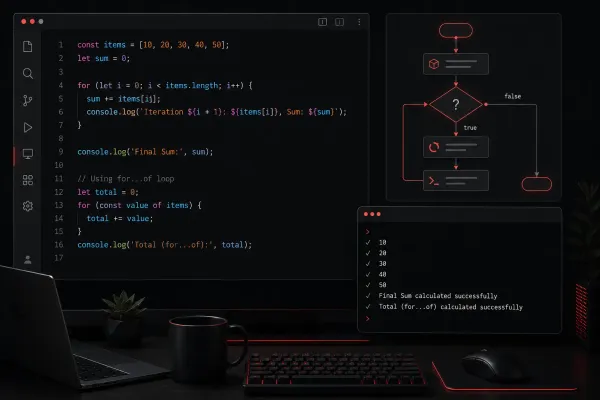
Programming JavaScript For Loops Learn JavaScript for loops, including basic syntax, array iteration, and practical examples. Covers initialization, conditions, and increment patterns with real-world use cases.
AITECH Ensuring Performance and Reliability in AI Workflows This post explores essential strategies for building reliable AI workflows, covering design principles, monitoring approaches, and performance optimization techniques. It provides practical guidance for ensuring consistent AI operations in production environments.
CCST-Cybersecurity How to Automatically Update Your Software and Devices Learn how to configure automatic updates for Windows, applications, and devices to maintain security without manual intervention. Covers Windows Update settings, application auto-updates, and third-party update management tools.
Network+ What Are Network Attacks and Why Do They Happen Network attacks are unauthorized attempts to access, disrupt, or damage computer networks and data. They happen primarily for financial gain, data theft, political reasons, or espionage, targeting both technical vulnerabilities and human weaknesses.
CCNA Comparing Cisco AP Modes: Which to Use When? A comprehensive comparison of Cisco Access Point modes including Local, FlexConnect, Monitor, Rogue Detector, and Bridge modes. Explains when to use each mode and provides practical configuration guidance for CCNA candidates.
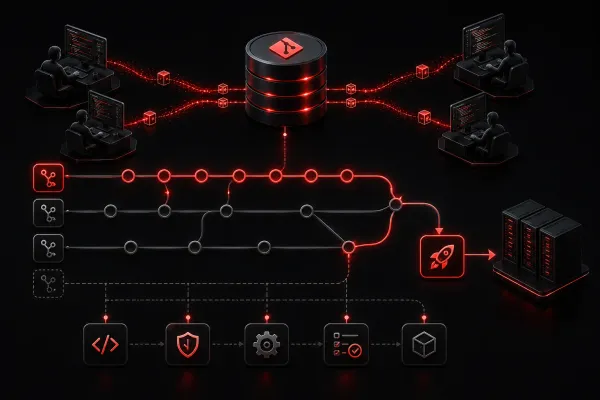
CCNA Automation Top Advantages of Using Version Control in Projects Version control systems provide essential advantages including enhanced code security through distributed storage and audit trails, powerful change tracking that enables easy comparison and rollback of modifications, and improved project management through better collaboration and release coordinat
Security+ Recognizing Nation-State Cyber Threats Nation-state cyber threats are government-sponsored attacks that use advanced techniques and extensive resources to achieve strategic objectives. This post explains their characteristics, methods, and impact on cybersecurity.
Programming XML Documents: Structure and Rules Learn the fundamental structure and essential rules for creating well-formed XML documents. Covers hierarchical structure, required formatting rules, proper nesting, attributes, and common pitfalls to avoid.
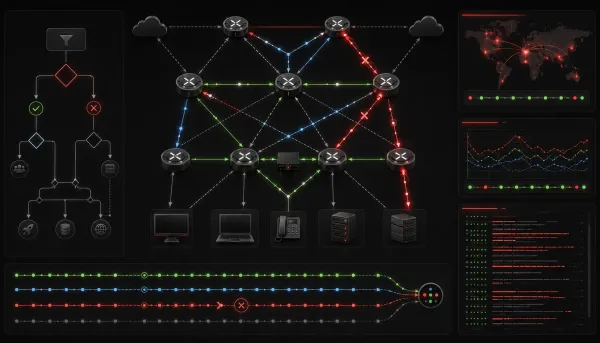
AITECH How to Monitor AI Workflows Effectively Learn practical methods to monitor AI workflows effectively, including essential tools, key metrics to track, and techniques for identifying performance issues early. Covers logging strategies, alerting systems, and dashboard design for AI workflow monitoring.
CCNP-ENARSI Troubleshooting Common PBR Issues in Enterprise Networks Learn systematic approaches to troubleshoot Policy-Based Routing failures in enterprise networks. Covers route-map logic errors, next-hop reachability issues, interface application mistakes, and advanced debugging techniques for production environments.
Wildcard Using EVE-NG for Enterprise Network Simulation EVE-NG is a powerful network emulation platform for creating realistic enterprise network simulations using real vendor images. It offers superior web interface and performance compared to GNS3, making it ideal for hands-on networking practice with authentic enterprise equipment and scenarios.
Programming Your First Python Program: Hello World A beginner's guide to writing and running your first Python program - the traditional Hello World example. Covers setup, basic syntax, running the program, and common mistakes.
CCST-Networking Prioritization Policies and Procedures Explained Prioritization policies provide structured frameworks for determining which network problems to address first based on business impact and urgency. These policies include severity classifications, response time requirements, and escalation procedures that help teams manage incidents efficiently.
CCNP-ENCOR Configuring NAT and PAT for Enterprise Networks Comprehensive guide to configuring NAT and PAT in enterprise networks, covering static NAT, dynamic pools, PAT overload, policy NAT, and NVI implementations with practical troubleshooting techniques for CCNP ENCOR exam preparation.
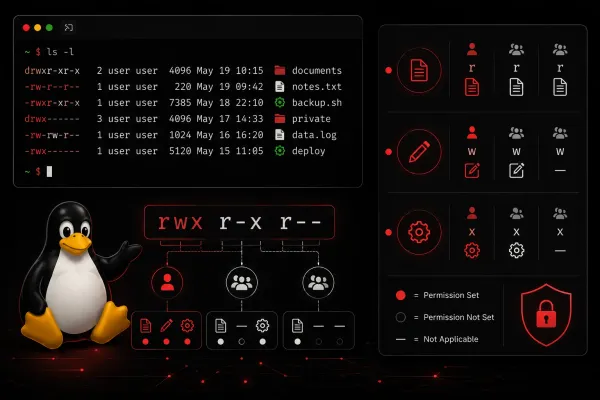
Linux Fundamentals Linux File Permissions Explained Simply Linux file permissions control who can read, write, or execute files using a simple three-group system. This beginner-friendly guide explains how to read permission strings and use chmod to modify access rights.
CCNA How Cisco Wireless Networks Work: Real-World Examples This post explains how Cisco wireless networks operate in real-world scenarios like coffee shops, corporate offices, and campuses. It uses practical analogies to help beginners understand centralized architecture, FlexConnect, roaming, and guest network isolation.
AI Tools AI Tools for IT Productivity: A Comprehensive Workflow A comprehensive guide to integrating AI tools into IT workflows, covering documentation, automation, troubleshooting, and collaboration to boost productivity. Includes practical examples and implementation strategies.