CCST-Networking How Do IoT Devices Work in a Network? This post explains how IoT devices connect to and function within networks, covering connection methods, network roles, and data flow patterns. It uses practical examples to help beginners understand smart device integration.
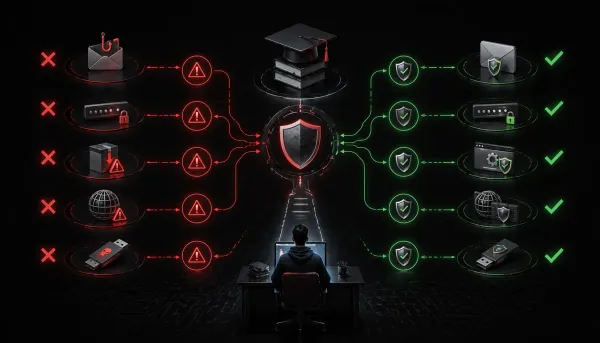
Security+ CIA Triad vs AAA Framework: Key Differences This post compares the CIA Triad (Confidentiality, Integrity, Availability) with the AAA Framework (Authentication, Authorization, Accounting), explaining how CIA defines security goals while AAA provides operational controls. Both frameworks work together to create comprehensive information securi
Network+ How to Choose the Right Cloud Deployment Model Learn how to choose between public, private, and hybrid cloud deployment models by evaluating security requirements, budget constraints, and performance needs. Includes practical examples and a decision framework for organizations of all sizes.
CCNA How to Use Private IPv4 Addresses in Home Networks A practical guide to implementing private IPv4 addresses in home networks, covering the three private IP ranges, configuration steps for routers and devices, and best practices for network setup.
Network+ Networking Services and Their Functions An introduction to essential networking services including DNS for domain name resolution, DHCP for automatic network configuration, and NAT for address translation and internet sharing.
CCNA IPv6 Prefix Explained: A Beginner's Guide Learn IPv6 prefixes from the ground up, including how they differ from IPv4, calculation methods, and common prefix lengths used in real networks. Essential knowledge for modern networking.
CCST-Networking Understanding Throughput: How It Affects Your Internet Experience Throughput measures actual data transfer rates in networks, differing from theoretical bandwidth capacity. Understanding throughput helps explain real-world internet performance issues like buffering and slow downloads.
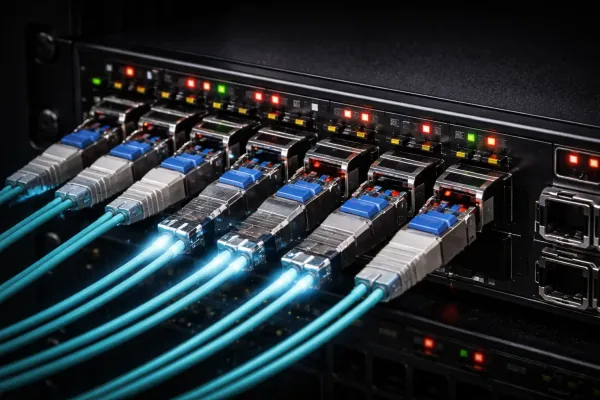
Network+ Understanding Transceivers in Networking: A Beginner's Guide Network transceivers are critical components that convert signals between network equipment and transmission media. This guide covers SFP, SFP+, and QSFP types, explaining how they function and helping you choose the right transceiver for your network needs.
CCNA Private vs Public IPv4 Addresses: Key Differences This post explains the key differences between private and public IPv4 addresses, covering their characteristics, use cases, and how NAT enables them to work together in modern networks.
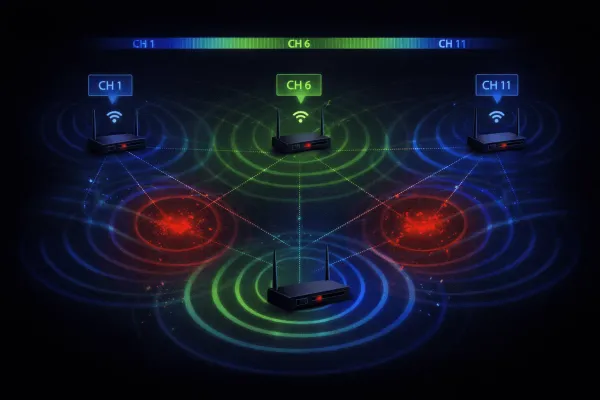
CCST-Networking Understanding Wi-Fi: 802.11 Standards and Interference This post explains Wi-Fi 802.11 standards from 802.11b to Wi-Fi 6, compares 2.4GHz vs 5GHz frequency bands, and identifies common sources of wireless interference including microwaves and physical obstacles.
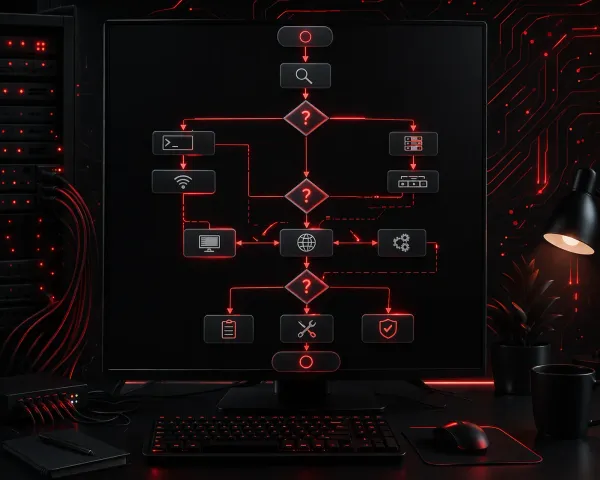
CCNA Troubleshooting IPv6 Addressing Issues Learn to troubleshoot common IPv6 addressing problems including configuration errors, connectivity issues, and neighbor discovery problems. Includes practical CLI commands and systematic troubleshooting approaches.
Network+ How to Calculate Subnets in IPv4 A step-by-step guide to calculating IPv4 subnets, covering subnet masks, CIDR notation, and practical calculation methods. Includes examples and quick reference tables for common subnet scenarios.
CCST-Networking What Are Endpoint Devices in Networking? Endpoint devices are the participants in network communication, including computers, mobile devices, servers, IP phones, printers, and IoT devices. Each type serves a specific purpose and has unique network requirements and traffic patterns.
Network+ Fiber Optic vs Copper Cable: Which is Better? Compares fiber optic and copper network cables, covering speed, distance, cost, installation, and EMI considerations. Explains when to choose each type and introduces hybrid network approaches.
CCNA How to Configure IPv4 Addressing on Cisco Routers A comprehensive guide covering the essential steps to configure IPv4 addresses on Cisco router interfaces, including verification commands and troubleshooting tips. Perfect for CCNA exam preparation and hands-on practice.
Network+ Common Mistakes When Learning the OSI Model This troubleshooting guide identifies and corrects the most common mistakes beginners make when learning the OSI model, from memorization pitfalls to encapsulation confusion. It provides practical fixes and real-world connections to build solid networking foundations.
CCNA Troubleshooting TCP and UDP: Common Issues Learn essential techniques for troubleshooting TCP and UDP connectivity issues. Covers common symptoms, diagnostic commands like telnet and netstat, and systematic approaches to resolve protocol-specific problems.
CCST-Networking What is Bandwidth? A Simple Explanation This post explains bandwidth as the maximum data transmission capacity of a network connection, using highway and water pipe analogies to help beginners understand the concept and its importance in networking.
CCNA What is Subnetting and Why is it Important? Subnetting divides large networks into smaller, manageable segments, improving IP address efficiency, network management, security, and performance. This fundamental concept enables logical network organization and better traffic control.
CCST-Networking What are Wi-Fi, Cellular, and Wired Networks? Learn the fundamentals of Wi-Fi, cellular, and wired networks - the three main ways devices connect to the internet. Covers the basics of each network type and when to use them.
Network+ Cloud Connectivity Options: What You Need to Know This post explores cloud connectivity options including internet-based connections, direct private circuits, VPNs, and hybrid approaches. It covers the benefits and challenges of each method to help you choose the best connectivity solution for your cloud infrastructure needs.
CCNA When to Use TCP vs UDP: Practical Applications This post explains when to use TCP versus UDP protocols, covering practical applications and decision-making criteria. It helps beginners understand protocol selection for different networking scenarios including web browsing, gaming, streaming, and file transfers.
Network+ How to Choose the Right Transmission Media For Your Network Learn how to select the right transmission media for network projects by evaluating distance, speed, and cost requirements. Covers copper, fiber, and wireless options with practical decision-making guidance.
CCNA Understanding IPv4 Addressing Basics This post explains IPv4 addressing fundamentals, covering how IP addresses are structured with network and host portions, and how subnet masks determine this division. Essential knowledge for networking beginners.
CCNA Understanding TCP and UDP: Key Differences This post explains the key differences between TCP and UDP protocols, covering TCP's reliability features versus UDP's speed-focused approach. It includes practical examples of when to use each protocol and their real-world applications.