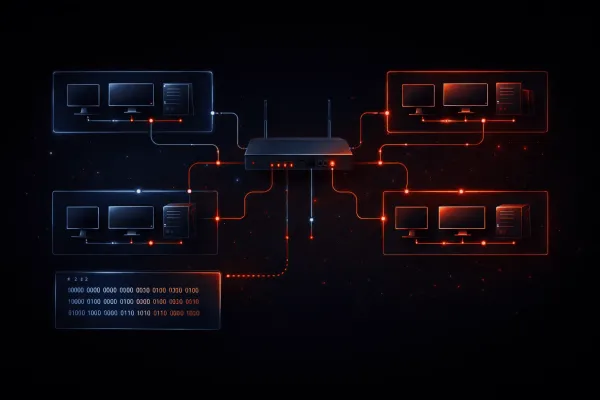
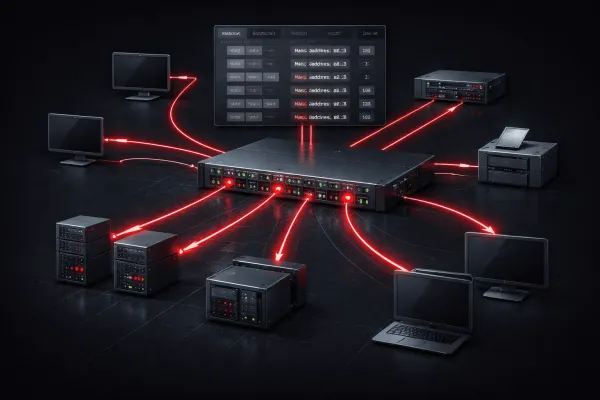
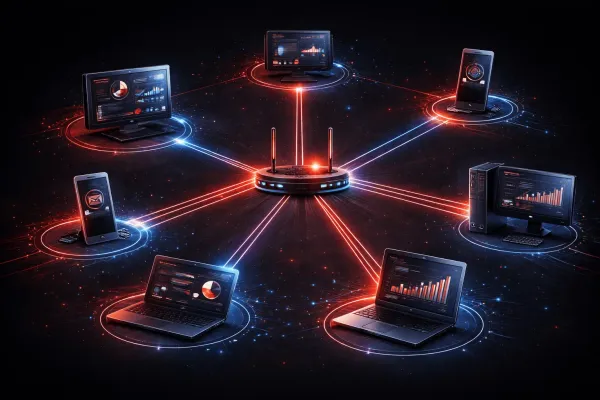
CCST-Networking What Are Endpoint Devices in Networking? Endpoint devices are the participants in network communication, including computers, mobile devices, servers, IP phones, printers, and IoT devices. Each type serves a specific purpose and has unique network requirements and traffic patterns.
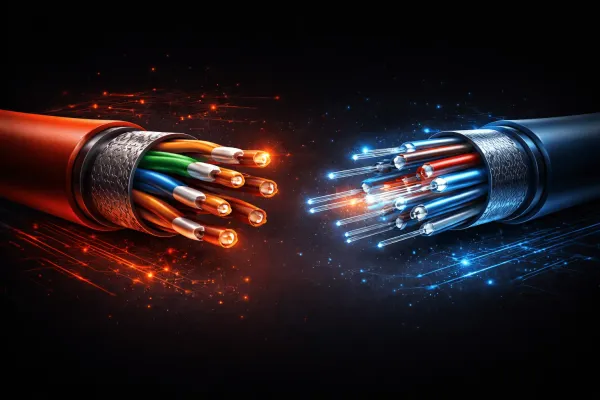
Network+ Fiber Optic vs Copper Cable: Which is Better? Compares fiber optic and copper network cables, covering speed, distance, cost, installation, and EMI considerations. Explains when to choose each type and introduces hybrid network approaches.
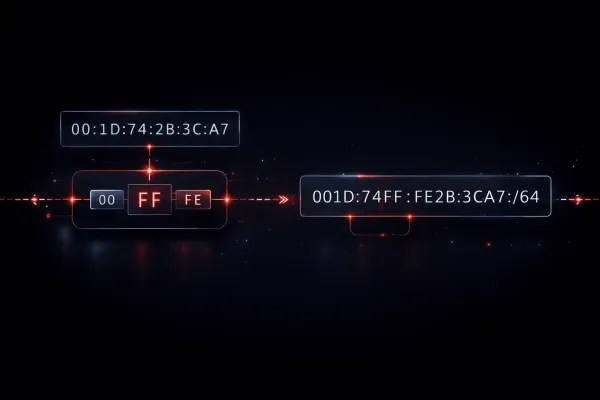
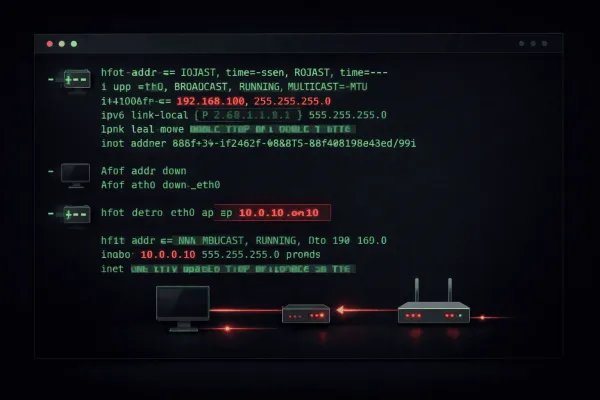
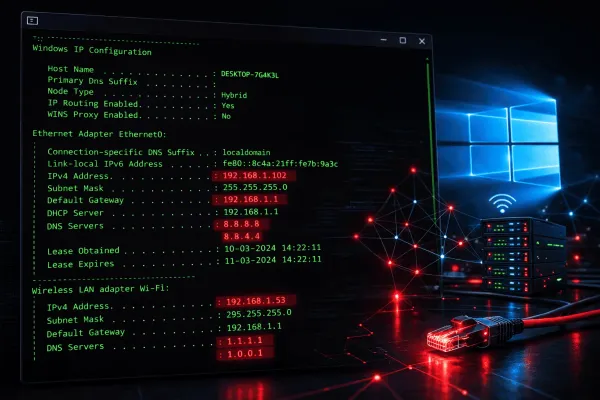
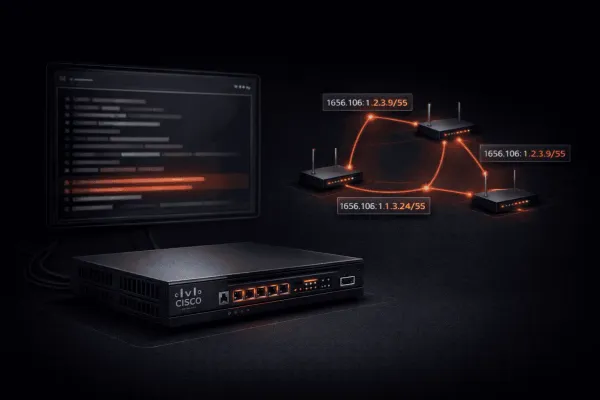
CCNA How to Configure IPv4 Addressing on Cisco Routers A comprehensive guide covering the essential steps to configure IPv4 addresses on Cisco router interfaces, including verification commands and troubleshooting tips. Perfect for CCNA exam preparation and hands-on practice.
Network+ Common Mistakes When Learning the OSI Model This troubleshooting guide identifies and corrects the most common mistakes beginners make when learning the OSI model, from memorization pitfalls to encapsulation confusion. It provides practical fixes and real-world connections to build solid networking foundations.
CCNA Troubleshooting TCP and UDP: Common Issues Learn essential techniques for troubleshooting TCP and UDP connectivity issues. Covers common symptoms, diagnostic commands like telnet and netstat, and systematic approaches to resolve protocol-specific problems.
CCST-Networking What is Bandwidth? A Simple Explanation This post explains bandwidth as the maximum data transmission capacity of a network connection, using highway and water pipe analogies to help beginners understand the concept and its importance in networking.
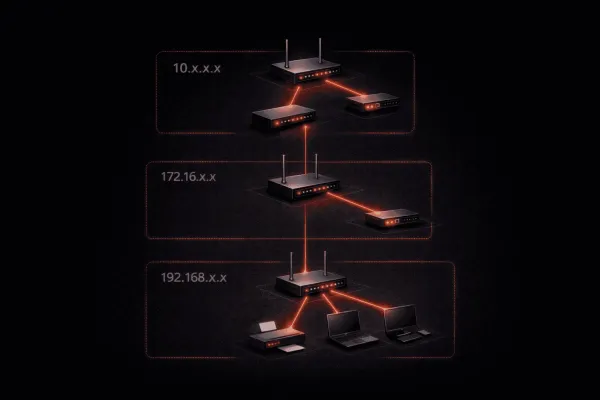
CCNA What is Subnetting and Why is it Important? Subnetting divides large networks into smaller, manageable segments, improving IP address efficiency, network management, security, and performance. This fundamental concept enables logical network organization and better traffic control.
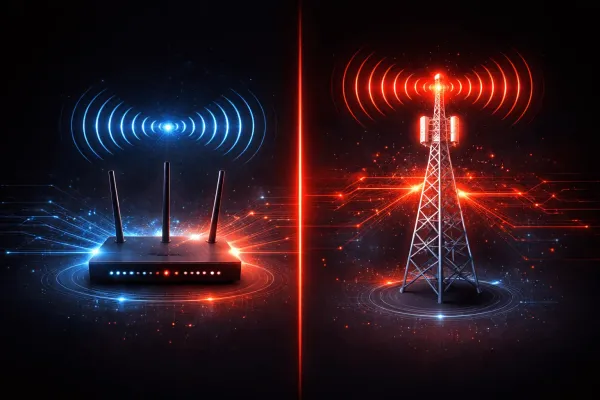
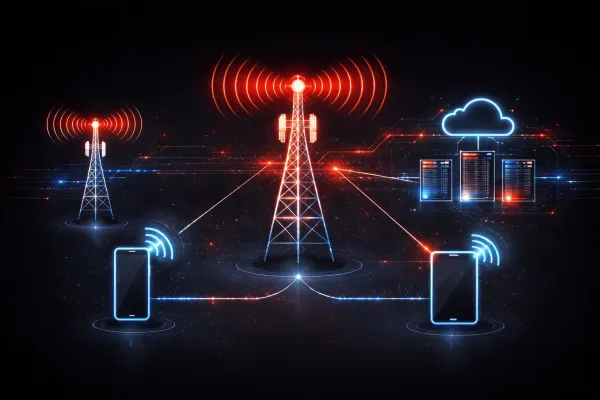
CCST-Networking What are Wi-Fi, Cellular, and Wired Networks? Learn the fundamentals of Wi-Fi, cellular, and wired networks - the three main ways devices connect to the internet. Covers the basics of each network type and when to use them.
Network+ Cloud Connectivity Options: What You Need to Know This post explores cloud connectivity options including internet-based connections, direct private circuits, VPNs, and hybrid approaches. It covers the benefits and challenges of each method to help you choose the best connectivity solution for your cloud infrastructure needs.
CCNA When to Use TCP vs UDP: Practical Applications This post explains when to use TCP versus UDP protocols, covering practical applications and decision-making criteria. It helps beginners understand protocol selection for different networking scenarios including web browsing, gaming, streaming, and file transfers.
Network+ How to Choose the Right Transmission Media For Your Network Learn how to select the right transmission media for network projects by evaluating distance, speed, and cost requirements. Covers copper, fiber, and wireless options with practical decision-making guidance.
CCNA Understanding IPv4 Addressing Basics This post explains IPv4 addressing fundamentals, covering how IP addresses are structured with network and host portions, and how subnet masks determine this division. Essential knowledge for networking beginners.
CCNA Understanding TCP and UDP: Key Differences This post explains the key differences between TCP and UDP protocols, covering TCP's reliability features versus UDP's speed-focused approach. It includes practical examples of when to use each protocol and their real-world applications.
Network+ What Are Transmission Media in Networking? Transmission media are the physical and wireless pathways that carry network data between devices. This post covers wired media (twisted pair, coaxial, and fiber optic cables) and wireless media (radio waves, microwaves, infrared), explaining their characteristics and use cases.
Network+ Understanding Common Networking Ports This post explains what network ports are and covers the essential common ports every networking professional should know, from web services to email and network management protocols.
Network+ Essential Networking Protocols Explained Essential networking protocols including TCP/IP, HTTP, and FTP form the foundation of modern network communication. This guide explains how each protocol works and their specific roles in enabling reliable data transmission across networks.
Network+ OSI Model vs TCP/IP Model: Key Differences This post compares the OSI and TCP/IP networking models, explaining their key differences including layer count, development approaches, and real-world applications. Both models serve important but different purposes in modern networking.
Security+ Understanding the CIA Triad in Security The CIA Triad—Confidentiality, Integrity, and Availability—forms the foundation of information security. This post explains each component with practical examples and real-world applications for Security+ students.
Network+ Cloud Service Models Explained This post explains the three fundamental cloud service models: IaaS, PaaS, and SaaS. It breaks down each model's characteristics, use cases, and the level of control and responsibility they offer to help readers choose the right cloud service for their needs.
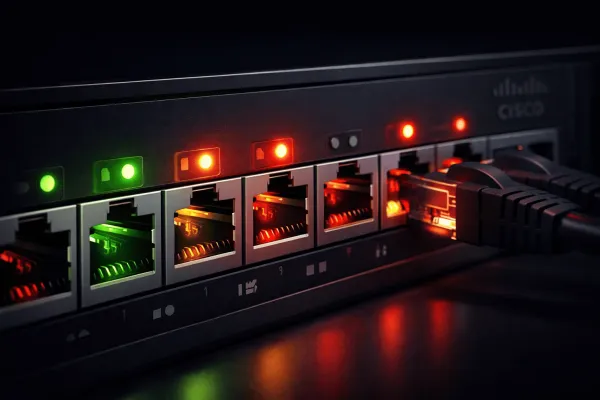
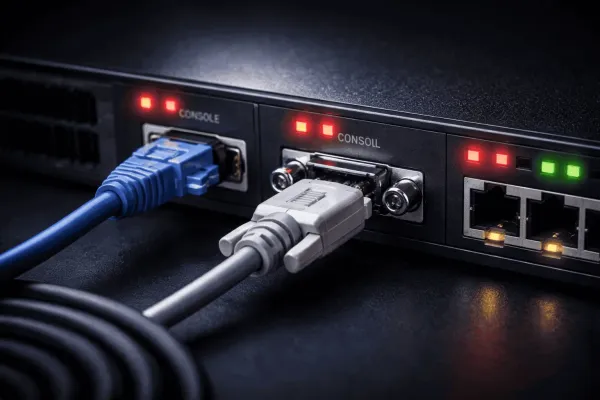
CCNA Introduction to Network Interfaces and Cabling This post introduces network interfaces and cabling fundamentals, covering copper and fiber connections, interface types, and how to choose the right solution for different networking scenarios. Essential CCNA preparation material for understanding physical layer networking.
Network+ Exploring the Seven Layers of the OSI Model A comprehensive guide to the seven layers of the OSI model, explaining each layer's function from the application layer down to the physical layer. Covers data encapsulation and why understanding this framework is crucial for network troubleshooting.
Security+ What Are Fundamental Security Concepts? This post introduces the fundamental security concepts essential for Security+ beginners, covering the CIA Triad, authentication vs. authorization, least privilege, defense in depth, and risk management basics. These core principles form the foundation for all cybersecurity learning.
Network+ What Are Cloud Computing Basics? An introduction to cloud computing fundamentals covering the three main service types (IaaS, PaaS, SaaS) and four deployment models (public, private, hybrid, community). Explains core concepts and benefits for networking beginners.
Network+ What is the OSI Model and Why is it Important? The OSI model is a seven-layer framework that standardizes network communication, breaking it down from physical connections to applications. Understanding these layers provides the foundation for networking troubleshooting, design, and learning more advanced concepts.