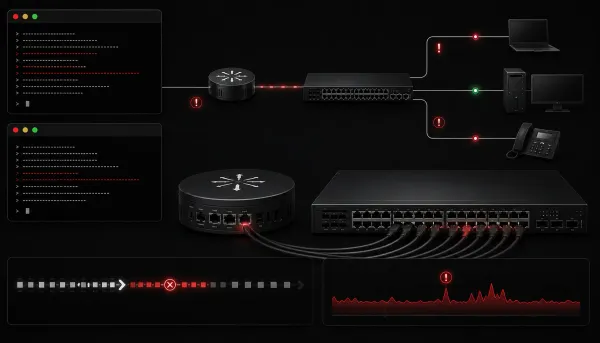
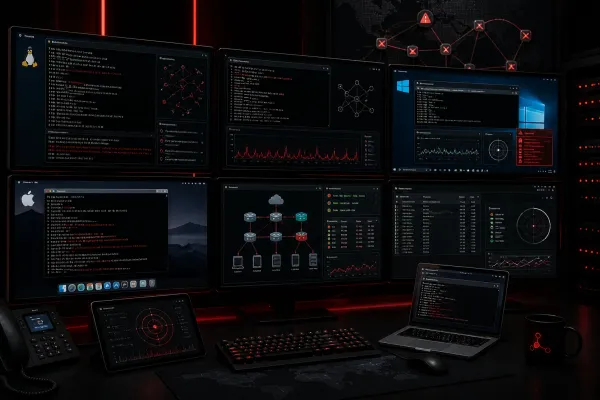
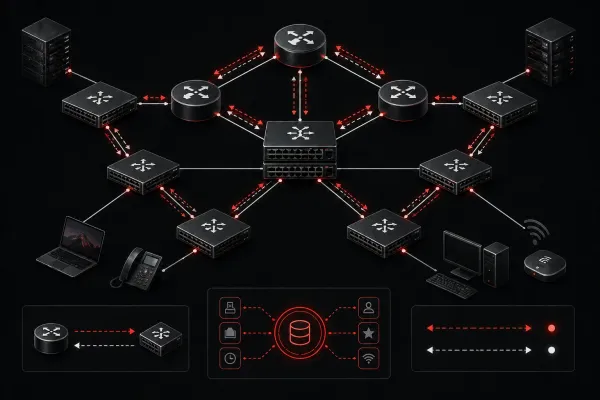
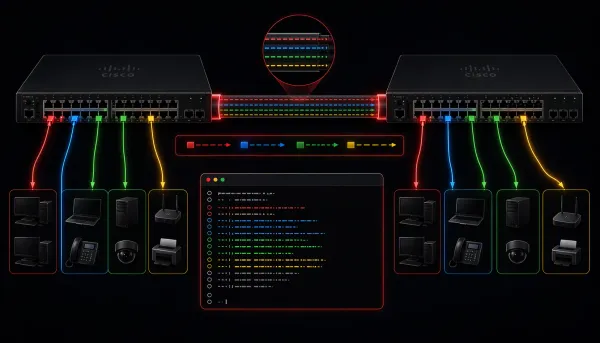
CCST-Cybersecurity How to Use Syslog for Centralized Log Management This post explains how syslog enables centralized log management by collecting network logs from multiple devices in one location. It covers the basics of syslog protocol, implementation steps, and key security benefits including unified visibility and faster incident response.
CCNA Understanding Root Port and Root Bridge in Rapid PVST+ Learn the fundamental spanning tree roles of root bridge and root port in Rapid PVST+, and how they determine optimal network traffic paths in switched environments.
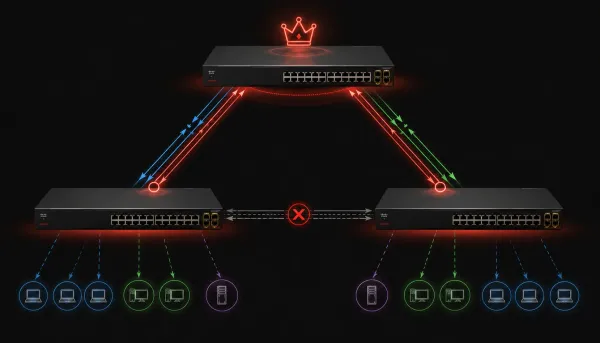
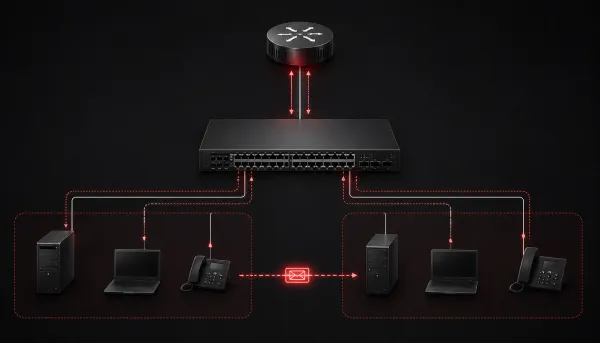
CCNA What is Rapid PVST+ and How Does it Work? Rapid PVST+ prevents network loops by running separate spanning tree instances for each VLAN, providing fast convergence and load balancing. This protocol elects root bridges per VLAN and assigns port roles to maintain loop-free topologies while keeping backup paths ready.
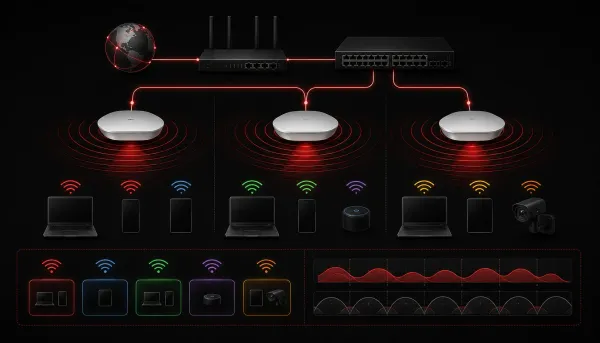
CCNA Wireless Principles: A Beginner's Guide This beginner's guide covers essential wireless networking principles including RF fundamentals, channel management, SSIDs, and basic security concepts. Perfect foundation for CCNA wireless topics.
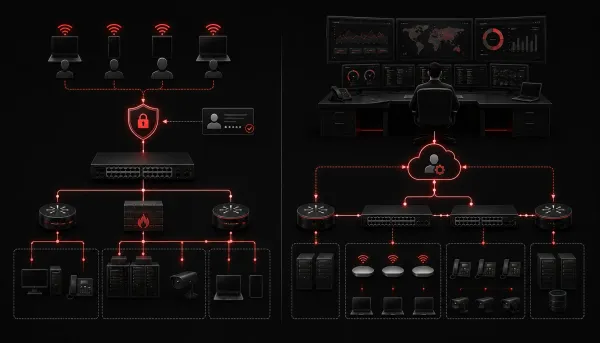
Network+ Comparing Network Access and Management Methods This post compares network access and management methods, explaining how access controls who connects to networks while management maintains the infrastructure itself. Both work together to ensure secure and reliable network operations.
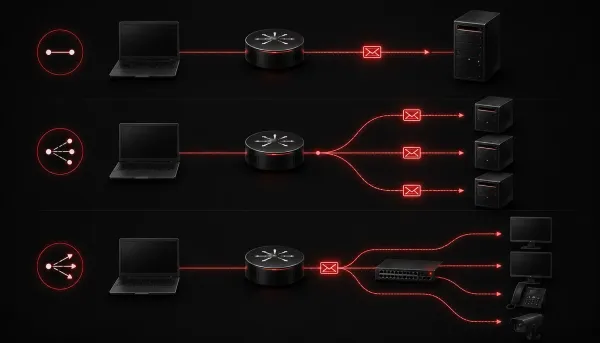
CCNA Comparing IPv6 Unicast, Anycast, and Multicast This post compares IPv6 unicast, anycast, and multicast addresses, explaining their unique characteristics and practical use cases in network design. It covers configuration examples and shows when to use each address type.
CCNA Troubleshooting Common IPv4 Addressing Issues Learn to systematically troubleshoot common IPv4 addressing problems including IP conflicts, incorrect subnet masks, gateway issues, and DHCP failures. Includes practical CLI commands and step-by-step solutions.
Network+ Understanding Network Management Methods Network management methods include in-band vs out-of-band management, centralized vs distributed control, and active vs passive monitoring approaches. Understanding these fundamental methods helps network administrators choose the right management strategy for their infrastructure needs.
CCNA Enabling InterVLAN Connectivity: A Beginner's Guide This beginner's guide explains how to enable communication between different VLANs using InterVLAN routing methods like router-on-a-stick and Switch Virtual Interfaces (SVIs). Includes practical configuration examples and troubleshooting steps.
CCST-Networking Common Network Problems Solved with Basic Commands Learn how to solve common network problems using basic diagnostic commands like ping, ipconfig, and nslookup. This beginner-friendly guide provides step-by-step troubleshooting approaches for connectivity issues, slow internet, and DNS problems.
Network+ What Are Network Access Methods? Network access methods determine how devices connect and communicate on networks. This beginner-friendly guide covers contention-based access (CSMA/CD, CSMA/CA), token-based systems, and modern switched Ethernet using simple analogies to explain complex networking concepts.
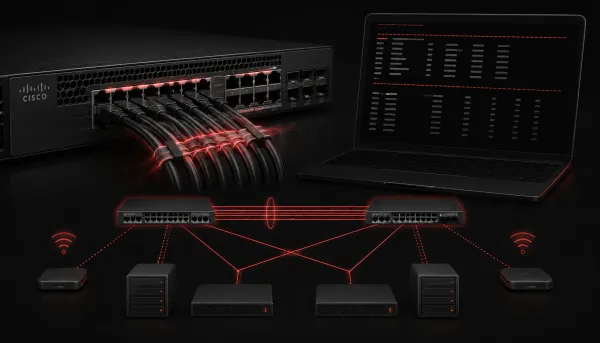
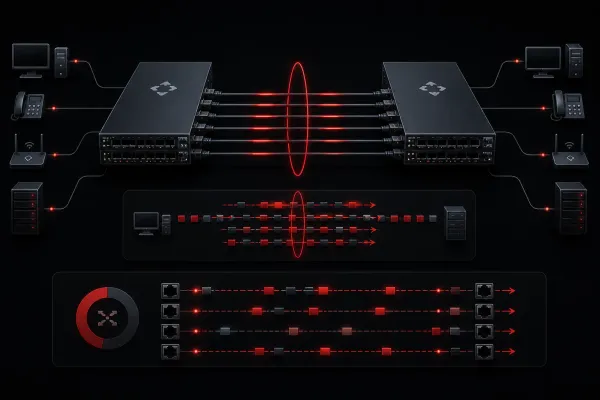
CCNA How to Verify EtherChannel Configuration Learn essential commands and techniques to verify EtherChannel configurations on Cisco switches. Covers show etherchannel summary, interpreting status flags, load balancing verification, and common troubleshooting checks for CCNA exam preparation.
CCNA Step-by-Step Guide to Configuring EtherChannel A comprehensive beginner guide covering the step-by-step process to configure EtherChannel on Cisco switches. Includes pre-configuration requirements, detailed CLI commands, and verification steps for successful network setup.
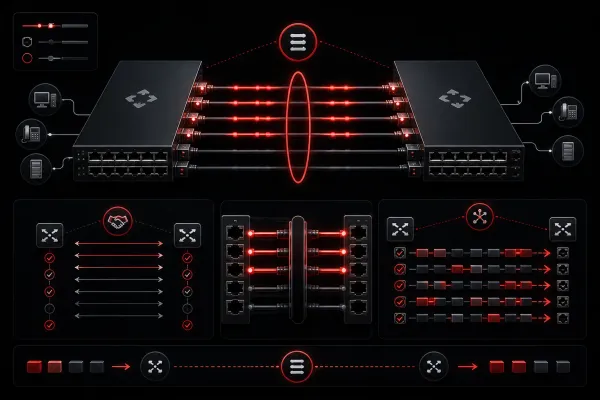
CCNA Understanding LACP in EtherChannel LACP (Link Aggregation Control Protocol) automates the negotiation and management of EtherChannel links, providing dynamic bundling with failure detection and recovery. This guide covers LACP modes, configuration, and verification for CCNA students.
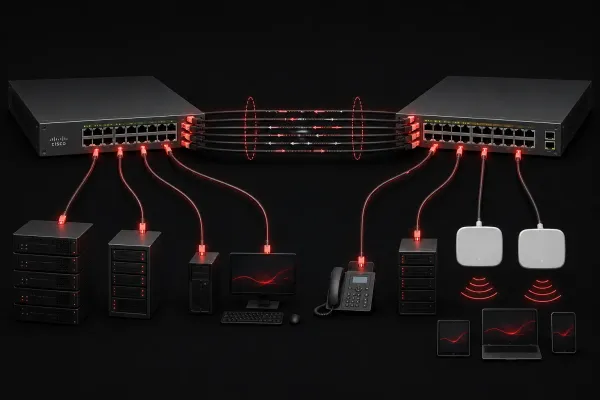
CCNA What is EtherChannel and How Does It Work? EtherChannel combines multiple physical network links into one logical connection to increase bandwidth and provide redundancy. This guide covers the basics of how EtherChannel works, its negotiation protocols (LACP and PAgP), and essential configuration commands.
AITECH Defensive Prompting vs Traditional Prompting: Key Differences Learn the key differences between defensive and traditional prompting methods, including when to use each approach and how defensive prompting provides better error prevention and consistency in AI applications.
CCNA Troubleshooting Common IP Configuration Issues on Client OS Learn systematic approaches to troubleshoot common IP configuration issues across Windows, Mac, and Linux operating systems. Covers essential commands and step-by-step resolution methods for network connectivity problems.
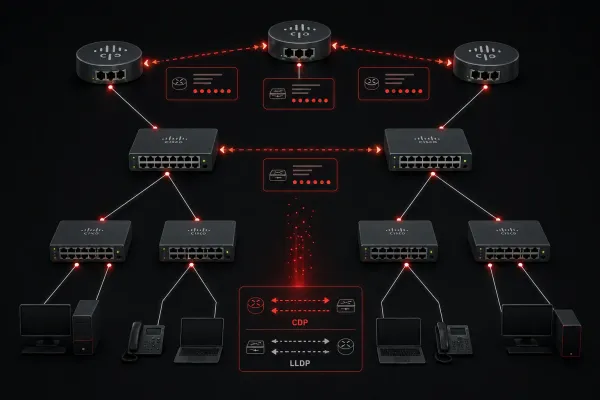
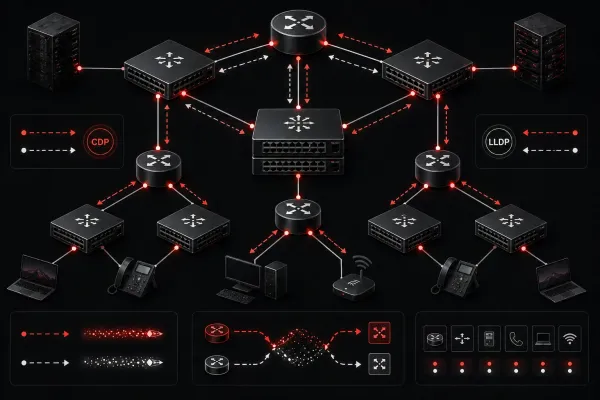
CCNA Verifying CDP and LLDP Configurations on a Network Learn essential commands to verify CDP and LLDP configurations on Cisco devices. This guide covers practical verification techniques, troubleshooting missing neighbors, and systematic approaches to ensure discovery protocols are working correctly in your network.
CCNA How to Configure CDP and LLDP on Cisco Devices A comprehensive guide to configuring Cisco Discovery Protocol (CDP) and Link Layer Discovery Protocol (LLDP) on Cisco devices, covering global and interface-level configuration with practical examples and verification commands.
CCNA Introduction to Link Layer Discovery Protocol (LLDP) Link Layer Discovery Protocol (LLDP) is an IEEE standard that enables network devices to share basic information with their immediate neighbors. This post covers LLDP basics, how it works, and its advantages over proprietary protocols like CDP in mixed-vendor environments.
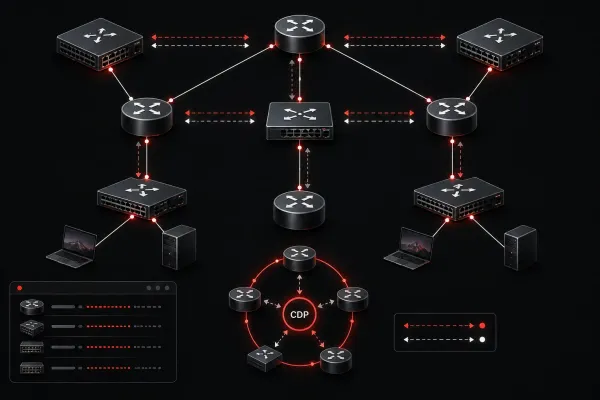
CCNA What is Cisco Discovery Protocol (CDP)? Cisco Discovery Protocol (CDP) is a proprietary Layer 2 protocol that automatically discovers and shares information about directly connected Cisco devices. This beginner-friendly guide covers how CDP works, essential commands, and security considerations for network discovery.
CCNA Common Issues with Network Cabling and How to Fix Them Learn to identify and troubleshoot common network cabling issues including physical connections, cable types, distance limitations, and interference. Includes practical Cisco CLI commands for systematic troubleshooting.
CCNA How to Configure Trunk Ports: A Step-by-Step Guide A comprehensive beginner's guide to configuring trunk ports on Cisco switches, covering step-by-step configuration commands, verification methods, and troubleshooting tips. Includes practical examples and best practices for CCNA students.
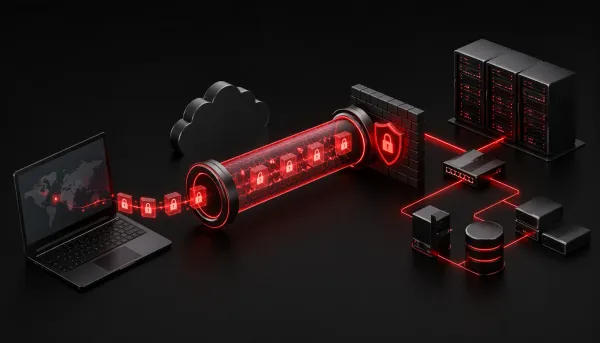
CCST-Networking How Do VPNs Work for Secure Network Access? Learn how VPNs create secure tunnels for remote network access. This beginner-friendly guide explains VPN concepts using simple analogies and covers common types, benefits, and troubleshooting basics.
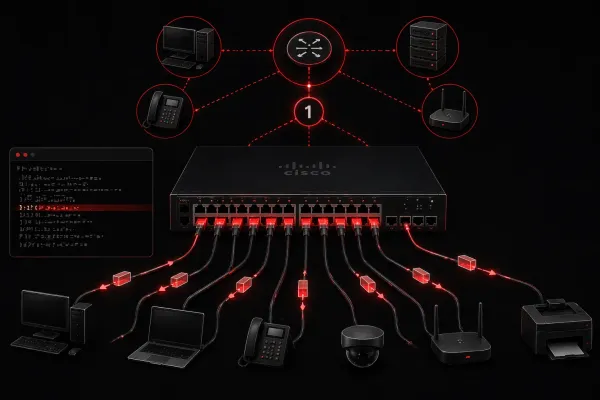
CCNA What is the Default VLAN and Why Does it Matter? The default VLAN (VLAN 1) is a pre-configured VLAN that exists on every Cisco switch, providing immediate connectivity and serving as the foundation for network management. Understanding its role and characteristics is essential for CCNA candidates working with VLANs.