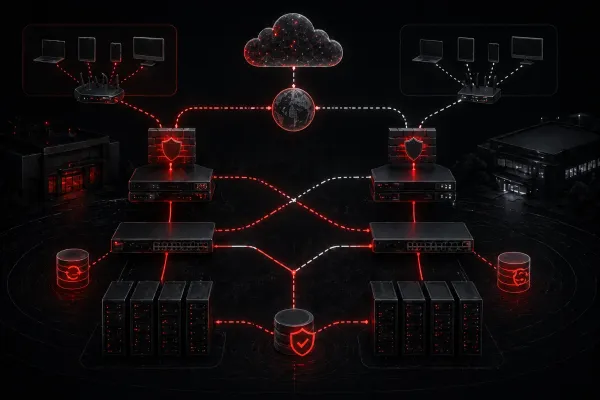
Network+ Common Network Security Defense Techniques Explained This post explains common network security defense techniques including firewalls, encryption, access control lists, and intrusion detection systems using beginner-friendly analogies and practical examples. It covers how these techniques work together to create layered network protection.
Network+ What Are Network Security Features and Why Are They Important This post explains essential network security features like firewalls, ACLs, and VPNs, and why they're critical for data protection, business continuity, and regulatory compliance. It provides a beginner-friendly foundation for understanding network safety concepts.
Network+ Troubleshooting Common IPv4 and IPv6 Network Issues Learn systematic approaches to troubleshoot common IPv4 and IPv6 network connectivity issues. This guide covers essential commands, step-by-step procedures, and protocol-specific troubleshooting techniques for network problems.
Network+ Comparing Traditional and Modern Network Security This post compares traditional perimeter-based network security with modern zero-trust approaches, explaining how evolving threats like APTs and insider attacks forced fundamental changes in security thinking.
Network+ How Network Attacks Impact Your Devices Network attacks have far-reaching consequences beyond data theft, affecting device performance, operational continuity, and personal finances. Understanding these real-world impacts helps justify the importance of robust network security measures for individuals and organizations.
Network+ Common Types of Network Attacks Explained Simply This post explains common network attacks including phishing, malware, DDoS, and social engineering in beginner-friendly terms. It covers attack characteristics and helps readers recognize threats for Network+ exam preparation.
Network+ What Are Network Attacks and Why Do They Happen Network attacks are unauthorized attempts to access, disrupt, or damage computer networks and data. They happen primarily for financial gain, data theft, political reasons, or espionage, targeting both technical vulnerabilities and human weaknesses.
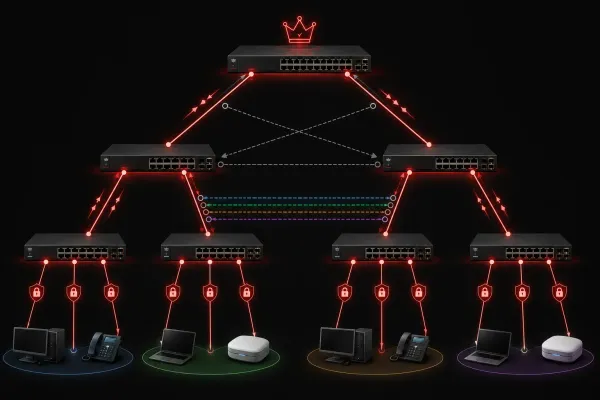
Network+ Switching Features Explained: Spanning Tree Protocol and More Essential switching features including Spanning Tree Protocol for loop prevention, trunking for VLAN extension, and port security for access control. Explains why these features are critical for network stability and security.
Network+ How Firewalls Protect Your Network Firewalls protect networks by examining and filtering traffic based on security rules, providing essential network access control through packet filtering, stateful inspection, and application layer analysis. They serve as the first line of defense against unauthorized network access.
Network+ Common Network Security Threats Explained Simply This post explains the three most common network security threats - malware, phishing, and DDoS attacks - in simple terms for Network+ students. It covers how each attack works and basic protection strategies.
Network+ What is Network Security and Why is it Important? Network security protects digital infrastructure through comprehensive defense systems that ensure confidentiality, integrity, and availability of data. Understanding network security importance is crucial for preventing financial losses, maintaining compliance, and preserving organizational trust
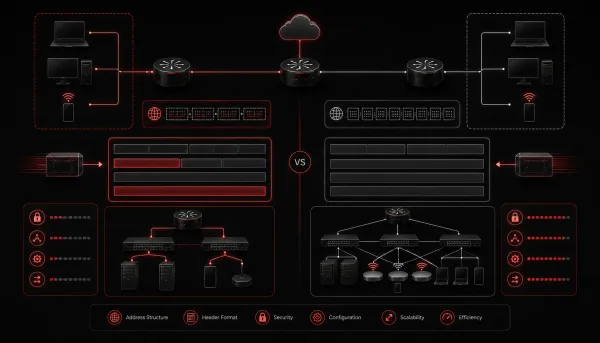
Network+ IPv4 vs IPv6: Key Differences Explained IPv4 and IPv6 represent different generations of Internet Protocol, with IPv6 offering expanded addressing, improved efficiency, and built-in security. Understanding their key differences is essential as networks transition to support both protocols simultaneously.
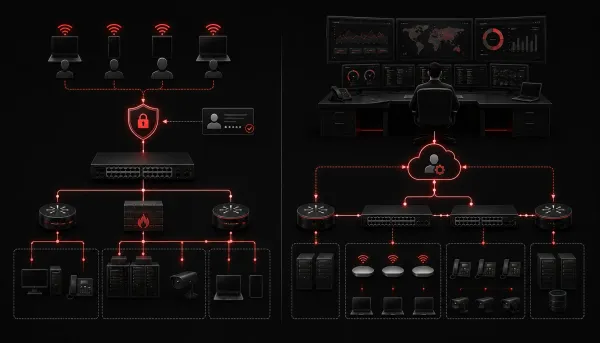
Network+ Comparing Network Access and Management Methods This post compares network access and management methods, explaining how access controls who connects to networks while management maintains the infrastructure itself. Both work together to ensure secure and reliable network operations.
Network+ Understanding Network Management Methods Network management methods include in-band vs out-of-band management, centralized vs distributed control, and active vs passive monitoring approaches. Understanding these fundamental methods helps network administrators choose the right management strategy for their infrastructure needs.
Network+ What Are Network Access Methods? Network access methods determine how devices connect and communicate on networks. This beginner-friendly guide covers contention-based access (CSMA/CD, CSMA/CA), token-based systems, and modern switched Ethernet using simple analogies to explain complex networking concepts.
Network+ Troubleshooting Common Routing Issues for Beginners A beginner's guide to troubleshooting common routing issues using systematic approaches and essential network commands. Covers ping, traceroute, routing table analysis, and solutions for routing loops and configuration problems.
Network+ Configuring IPv6 Network Services: A Beginner's Guide This beginner's guide walks through configuring IPv6 network services step-by-step, covering interface setup, DHCPv6, DNS configuration, and router advertisements. Includes practical examples for Windows and Linux systems with common troubleshooting tips.
Network+ How to Configure IPv4 Network Services for Beginners A beginner-friendly guide to configuring IPv4 network services, covering static IP setup, DHCP configuration, and verification steps. Includes practical examples and common troubleshooting tips for new network technicians.
Network+ Understanding IPv4 and IPv6: Key Differences Explained This post explains the key differences between IPv4 and IPv6, covering address space, format, security features, and real-world usage. Essential knowledge for Network+ certification and modern networking.
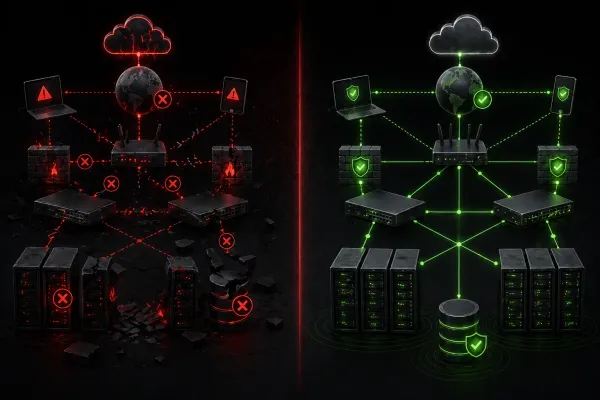
Network+ Real-World Examples of Network Disaster Recovery Real-world disaster recovery examples from Hurricane Sandy, ransomware attacks, data center fires, and network outages demonstrate how proper DR strategies prevent catastrophic failures and maintain business continuity.
Network+ How to Create an Effective Disaster Recovery Plan This beginner-friendly guide walks through the essential steps to create an effective disaster recovery plan for network environments, covering business impact analysis, documentation, backup strategies, and testing procedures.
Network+ Why Disaster Recovery Planning is Crucial for Networks Disaster Recovery planning is essential for maintaining network uptime and protecting data. Without a DR plan, organizations face extended downtime, data loss, financial impact, and reputation damage during network failures.
Network+ What is Disaster Recovery in Networking? This post introduces disaster recovery networking fundamentals, explaining how organizations protect network infrastructure during unexpected events. It covers key concepts like RTO, RPO, and essential DR planning components for beginners.
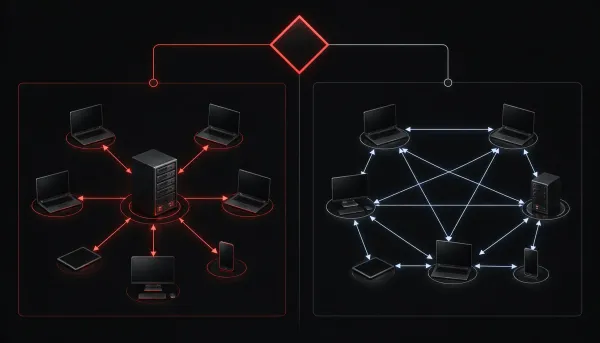
Network+ Choosing the Right Network Architecture for Your Needs A practical guide for beginners on selecting network architecture, comparing client-server vs peer-to-peer models based on specific business needs, size, security requirements, and budget constraints. Provides a clear decision framework for network planning.
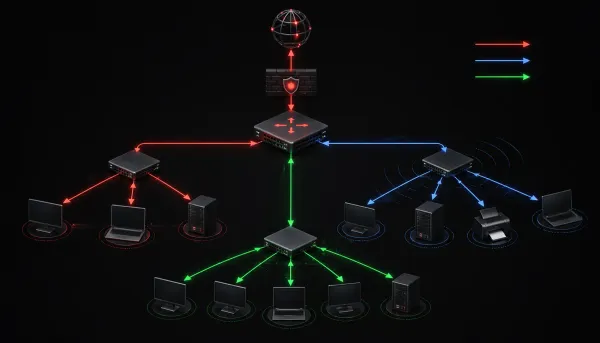
Network+ Types of Network Traffic and Their Differences This post explains the three fundamental network traffic types: unicast (one-to-one), broadcast (one-to-all), and multicast (one-to-many communication). It covers practical examples and how each type impacts network performance.